General Description
The Rotronic catalytic filter is designed for humidity and temperature measurements in applications involving vaporized hydrogen peroxide (VHP/H₂O₂).
The filter is installed directly on the probe tip and catalytically decomposes hydrogen peroxide into water (H₂O) and oxygen (O₂) before it reaches the sensing element. This reduces oxidative stress on the humidity sensor and significantly improves sensor service life and long-term stability during repeated H₂O₂ exposure.
Typical Applications
Typical applications include:
•VHP sterilization of isolators, RABS and aseptic filling lines
•H₂O₂ sterilization chambers for medical instruments and implant packaging
•Decontamination of incubators, pass-through chambers and biosafety cabinets
•Humidity and temperature monitoring during VHP decontamination cycles
Operating Principle
During VHP sterilization or decontamination, hydrogen peroxide can cause oxidative damage to an unprotected humidity sensing element.
The catalytic material within the filter decomposes H₂O₂ before it reaches the sensor:
2 H₂O₂ → 2 H₂O + O₂
This considerably reduces direct H₂O₂ exposure of the sensing element. The catalytic filter does not, however, prevent condensation from forming on the filter or probe.
Technical Specifications
Order Code |
Filter Element |
Filter Carrier |
Range of Application |
Photos |
SPA-PCB-PE-KAT |
Polyethylene |
Polycarbonate |
20 to 42°C* 0 to 2000 ppm (v/v) H2O2 |
|
SPA-PCB-WM-KAT |
Stainless-steel wire-mesh |
Polycarbonate |
|
|
SPA-SS-WM-KAT |
Stainless-steel wire-mesh |
Stainless-steel |
|
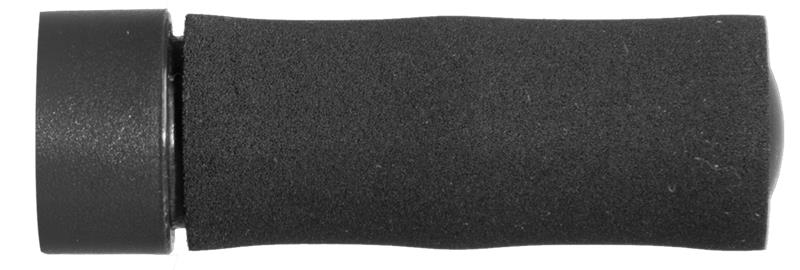
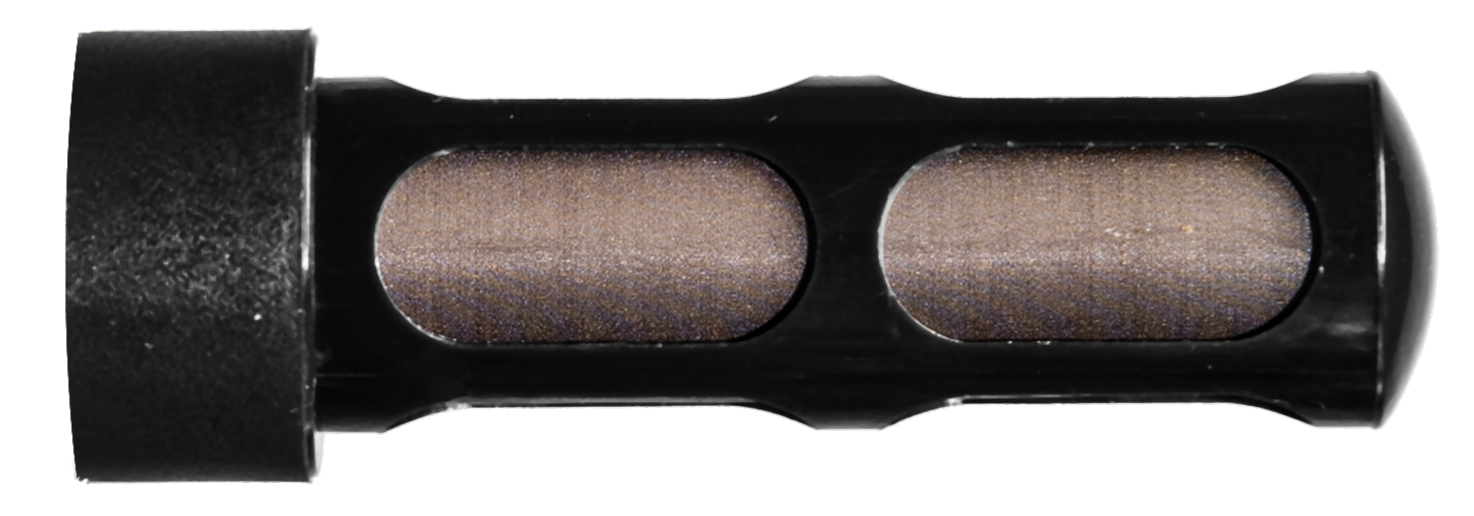
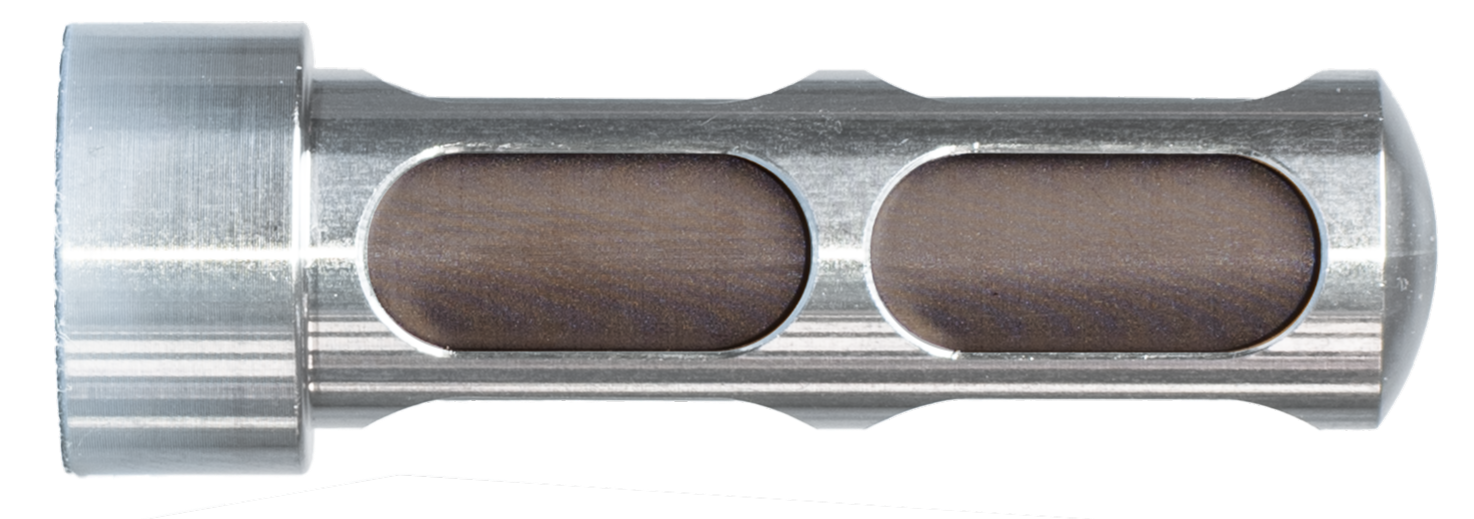
*20…42 °C is the specified H₂O₂ application range in which the catalytic effect can be guaranteed. The mechanical storage temperature range of the catalytic filters is −10…80 °C.
Also available for HF1.
Installation
The catalytic filter is supplied separately and must be installed onto the probe before operation in the H₂O₂ environment.
1.Ensure that the probe and filter are clean and undamaged.
2.Remove the existing filter/carrier from the probe, if applicable.
3.Install the appropriate catalytic filter assembly onto the probe tip.
4.Ensure that the filter assembly is correctly seated before placing the probe into operation.
Important: Do not touch the catalytic filter element by hand. Contamination of the filter element may impair its performance.